
At Body By Kotoske in Phoenix, AZ, one of the most common questions we hear during consultations is simple: how long do breast implants last? It is an important question, and we believe every patient deserves a clear and honest answer before and after surgery. Breast implants can last for many years, but they are not considered lifetime devices. Their lifespan depends on the implant itself, the surgical technique, how the body heals, and the natural changes that happen with time. In this guide, we explain what we evaluate when it comes to implant longevity, the signs that tell us replacement may be needed, and when we recommend a revision consultation with Dr. Thomas Kotoske.
How Long Do Breast Implants Last?
This is the question that brings many patients to our office, so we like to answer it directly and without confusion.
Most breast implants last between 10 and 20 years, and many remain in good condition well beyond that. However, implants are not designed to last a lifetime, and the chance of needing another procedure increases the longer they are in place. There is no fixed expiration date on an implant, which is why ongoing care matters so much.
We often hear that implants must be replaced every 10 years. At Body By Kotoske, we do not recommend removing healthy, well-positioned implants simply because a certain number of years have passed. Instead, we base our recommendations on the condition of the implants, any symptoms our patients notice, and their personal goals. Some of our patients keep their original implants for decades, while others choose an exchange sooner because their bodies or preferences have changed.
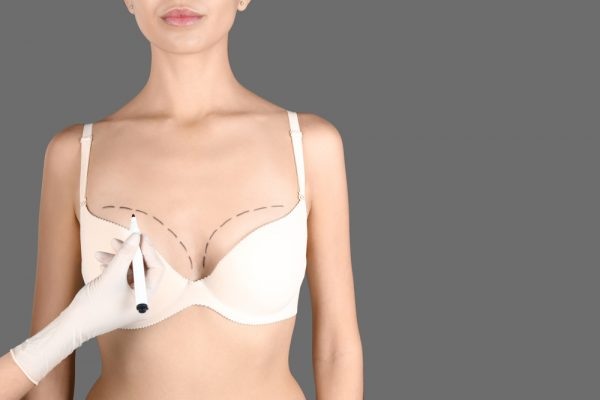
What Affects Breast Implant Lifespan?
No two patients are the same, and neither is the way their implants age. Several factors work together to determine how long implants stay in ideal condition, and we discuss each one during every breast enlargement consultation.
Implant Type and Fill Material
Saline and silicone implants age differently. When a saline implant leaks, the body safely absorbs the saltwater solution, and the change in size is usually easy to notice. Silicone implants tend to hold their shape and natural feel for many years, and today’s cohesive gel options are designed to stay in place even if the shell weakens. We help each patient choose the option that best fits her body and long-term goals.
Surgical Technique and Implant Placement
Precision during surgery plays a major role in longevity. Dr. Kotoske carefully plans the pocket size, incision location, and whether the implant sits above or below the chest muscle. A well-created pocket supports the implant evenly and lowers the risk of shifting, rippling, and future complications.
How the Body Heals
After surgery, the body naturally forms a thin layer of scar tissue, called a capsule, around each implant. In most cases, this capsule stays soft. In some patients, it tightens over time, a condition known as capsular contracture, which can change both the feel and appearance of the breasts.
Life Changes Over Time
Pregnancy, breastfeeding, weight changes, aging, and gravity all affect breast tissue. Even when the implants remain intact, these changes can alter how the breasts look. For mothers who want to address several areas at once, we often discuss our Mommy Makeover options.
Injury or Trauma
A strong impact to the chest, such as from a car accident or a fall, can damage an implant or shift its position. We encourage our patients to contact our office after any significant chest injury.
Signs Breast Implants May Need to Be Replaced
Knowing what to watch for helps our patients seek care early. Some changes are obvious, while others are subtle, so we walk every patient through the signs we pay closest attention to.
Saline Implant Deflation
A deflating saline implant usually causes a noticeable loss of size in one breast over a few days. While the saline itself is harmless, we recommend scheduling a visit so we can plan a replacement.
Silent Rupture in Silicone Implants
Because silicone gel often stays within the surrounding capsule, a rupture may cause no visible change or discomfort. This is known as a silent rupture, and it is the reason routine monitoring is so valuable for patients with silicone implants.
Capsular Contracture
Firmness, tightness, discomfort, or a rounded, high-riding appearance can all point to capsular contracture. Early evaluation gives us more options for correcting it.
Changes in Shape or Position
Rippling, new asymmetry, implants that sit too low, or implants that have shifted to the side are all reasons for us to take a closer look.
Pain, Swelling, or New Lumps
Any new pain, swelling, or lump near an implant should be evaluated promptly. Most causes are treatable, but these symptoms always deserve professional attention.
Aesthetic Changes
Sometimes the implants are healthy, but the results no longer match a patient’s lifestyle or preferences. Sagging skin or the wish for a different size are valid reasons to discuss an update with us.
How We Monitor Breast Implants Over Time
Care does not end once recovery is complete. We view breast augmentation as an ongoing relationship with our patients, and regular monitoring is one of the best ways to protect results for years to come.
Routine Follow-Up Visits
We encourage our patients to keep regular follow-up appointments with Dr. Kotoske. These visits allow us to check implant position, capsule softness, and overall breast health, and to catch small changes before they become larger concerns.
Imaging for Silicone Implants
For patients with silicone implants, we recommend periodic imaging to confirm the implants remain intact. We help each patient follow a schedule that fits her needs and review the findings together.
Keeping Implant Records
We also ask patients to keep their implant card, which lists the manufacturer, size, and type of implant. These details make future planning easier and more accurate.
When We Recommend Breast Implant Revision Surgery
Revision surgery is not something we recommend based on the calendar alone. We look at the complete picture, including implant condition, symptoms, and each patient’s goals, before suggesting any next step.
Medical Reasons for Revision
Rupture, deflation, capsular contracture, and implant malposition are the most common medical reasons we perform revision surgery. In these cases, replacing or repositioning the implants helps restore comfort, shape, and peace of mind.
Personal and Aesthetic Reasons
Many of our revision patients simply want a change. Some choose a larger or smaller size, while others want to update an older implant style. We respect every one of these choices and plan each procedure around natural-looking results.
Combining Revision With a Breast Lift
When skin laxity or sagging is part of the concern, we often combine implant revision with a breast lift. This approach allows us to reshape the breast tissue and position the implants for a more youthful, balanced appearance.
What to Expect During a Revision Consultation at Body By Kotoske
A revision consultation is a conversation, not a commitment. Our goal is to make sure every patient fully understands her options and has realistic expectations before making a decision.
During the visit, Dr. Kotoske reviews the patient’s surgical history, current implants, and any available imaging. We talk through goals, examine the breasts, and explain which approach will best achieve the desired result. We also cover recovery, timing, and our financing options so patients feel confident and prepared at every step.
Schedule Your Breast Implant Consultation in Phoenix, AZ
Understanding how long breast implants last helps our patients plan with confidence. While implants often last many years, they are not lifetime devices, and regular monitoring with timely evaluation is the key to lasting, beautiful results. Whether a patient notices a change, has questions about her current implants, or is simply ready for a new look, our team is here to help.
At Body By Kotoske, Dr. Thomas Kotoske and our team provide personalized breast implant care with a focus on safety and natural-looking results. Contact us today or call (623) 516-2639 to schedule a complimentary consultation at our Phoenix, AZ office.


