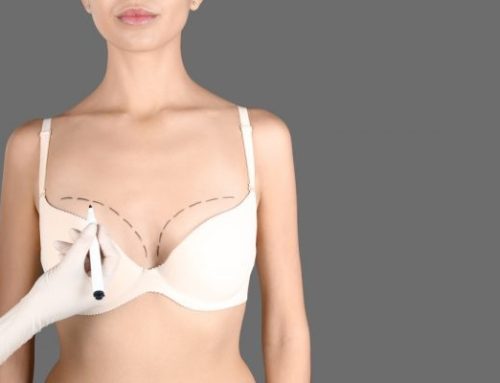
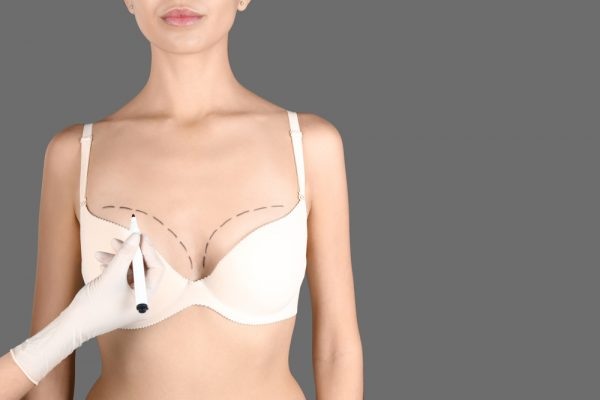
Breast implant placement influences breast contour, recovery, and the way implants behave during movement. The decision involves more than choosing a desired size. At Body By Kotoske in Phoenix, AZ, we consider how an implant’s position relative to the chest muscle may affect appearance, tissue coverage, and long-term expectations.
When discussing breast implant placement over vs under muscle, we explain the advantages and limitations of both approaches. We consider existing breast tissue, chest anatomy, activity levels, and personal goals before recommending a placement.
Breast Implant Placement Over vs Under Muscle: Key Differences
The main distinction is whether the implant sits above or beneath the pectoralis major muscle. Our breast augmentation services in Phoenix, AZ, include discussions of both placement options.
Over-the-Muscle Placement (Subglandular)
With subglandular placement, we position the implant behind the breast tissue but in front of the chest muscle. Because the pectoralis muscle is not lifted to create the implant pocket, this approach may involve less muscle-related discomfort during early healing.
The implant relies primarily on existing breast tissue and skin for coverage. When those tissues are relatively thin, implant edges or rippling may be more visible. We assess available coverage before discussing whether this approach is appropriate.
Under-the-Muscle Placement (Submuscular)
With submuscular placement, the implant sits at least partly beneath the chest muscle, adding coverage across the upper portion of the breast. This may soften the transition between the chest and implant, particularly when natural breast tissue is limited.
Muscle coverage does not necessarily extend over the entire implant. We discuss how the available tissue and chest anatomy affect positioning without assuming that one arrangement will suit every individual.

How Implant Placement Affects Breast Appearance
Appearance is often a central consideration when comparing placement methods. We assess how implant position interacts with breast shape, available tissue, and desired fullness. Placement contributes to the result, but implant dimensions and existing anatomy are equally relevant.
Breast Shape and Upper-Breast Fullness
Over-the-muscle placement can create a more apparent upper-breast contour in some anatomies. Under-the-muscle positioning may offer a gentler transition across the upper breast because the muscle provides an additional tissue layer.
We examine the overall proportions of the chest and breasts rather than promising a specific shape from either method. The desired degree of fullness must also be balanced with available support and coverage.
Natural-Looking Results and Implant Visibility
Visible implant edges and rippling are important considerations, especially when natural breast tissue is thin. Muscle coverage may help conceal some upper-breast irregularities, although it does not eliminate the possibility of visible changes.
We evaluate tissue thickness and skin characteristics to discuss realistic expectations. Neither placement automatically creates a more natural appearance; the result depends on the interaction of several anatomical and surgical factors.
Recovery Differences Between Over- and Under-the-Muscle Placement
Healing experiences vary, even when the same placement technique is used. We explain how the position of the implant can influence early soreness, chest tightness, and movement. Our postoperative recommendations depend on the procedure and individual recovery rather than one universal timetable.
Postoperative Discomfort and Healing
Because over-the-muscle placement does not require lifting the pectoralis muscle, early muscle-related soreness may be less pronounced. Under-the-muscle placement can involve additional tightness or discomfort as the chest muscle and surrounding tissues heal.
Swelling, bruising, and temporary sensation changes are possible with either approach. We review postoperative care and explain when unexpected pain, increasing swelling, or other concerning changes should prompt contact with our office.
Returning to Daily Activities and Exercise
Our breast augmentation services include individualized recovery guidance based on the surgical approach and healing progress. Routine activities may resume earlier than heavy lifting or demanding exercise, but the appropriate schedule varies.
We discuss work responsibilities, upper-body movements, and return to exercise during follow-up care. Our guidance distinguishes light activity from more strenuous workouts, particularly those involving chest muscles. We recommend following surgical clearance rather than treating improvement in soreness as permission to resume every activity.
How Breast Tissue and Body Type Influence Placement
Anatomy affects how much natural coverage an implant receives and how the breast may look after healing. At our Phoenix, AZ practice, we consider breast tissue, skin quality, and chest proportions when comparing placement options.
Existing Breast Tissue and Skin Coverage
When existing breast tissue is limited, positioning beneath the muscle may provide helpful additional coverage across the upper breast. With more natural tissue, placement above the muscle may offer an acceptable contour without involving the pectoralis muscle.
We also examine skin elasticity and breast position. These features influence how tissues support the implant and how realistic expectations should be framed.
Chest Muscle Anatomy and Desired Contour
Chest muscle thickness, breast proportions, and chest wall shape may influence the appearance of either placement. We review how the muscle relates to the implant at rest and during contraction.
We also consider implant dimensions alongside placement.
Potential Risks and Long-Term Considerations
Both placement methods involve surgical risks and ongoing care considerations. We discuss potential complications before surgery and explain that breast implants are not lifetime devices. Implant removal, replacement, or additional treatment may become necessary over time, regardless of initial placement.
Capsular Contracture and Implant Position
Capsular contracture develops when scar tissue around an implant tightens, potentially changing breast firmness, appearance, or comfort. Some research suggests that placing implants beneath the muscle may lower this risk, but the complication can occur with either position.
We also discuss other possible complications, including bleeding, infection, implant displacement, visible rippling, and changes in breast or nipple sensation. Placement is only one factor influencing overall risk.
Implant Movement During Muscle Contraction
Under-the-muscle implants can visibly move or change shape when the pectoralis muscle contracts. This effect, called animation deformity, may be noticeable during certain upper-body movements.
Over-the-muscle placement avoids this particular muscle-driven movement, although other changes in contour or implant position can still occur.
Mammograms and Future Breast Imaging
Breast implants may obscure some tissue during mammography with either placement. Positioning beneath the muscle can sometimes make additional imaging views easier, but it does not eliminate screening challenges.
We emphasize continuing recommended breast screening and informing the imaging facility about implants beforehand. Appropriate imaging techniques help professionals evaluate breast tissue more effectively.
How Lifestyle and Physical Activity Affect Placement Decisions
Daily routines can change which advantages or limitations matter most. We ask about physical work, strength training, and activities that frequently engage the pectoral muscles. These details help us discuss practical effects rather than evaluating appearance alone.
For regular upper-body training, the possibility of muscle-related implant movement may deserve particular attention. When tissue coverage is limited, concealing implant edges may be an equally important priority. We consider both concerns without treating exercise habits as the sole factor.
We also review how temporary limits on lifting and strenuous activity may affect work and household responsibilities during recovery. Our goal is to align surgical planning with realistic day-to-day expectations.
How We Recommend Breast Implant Placement
We approach placement as an individualized surgical decision, not a choice between a universally better and worse technique. Our consultation focuses on anatomy, appearance goals, potential limitations, and recovery needs. We explain why a particular position may fit the assessment rather than relying on general claims.
Evaluating Goals and Individual Anatomy
During a consultation with Dr. Thomas Kotoske, we consider existing breast volume, tissue coverage, skin characteristics, chest shape, and desired contour. We also review relevant medical history and activity requirements that may influence planning.
Our recommendations reflect these considerations together. An implant position that offers useful coverage in one anatomy may be less suitable in another. We discuss the reasoning behind the proposed approach and what results may realistically be expected.
Questions to Discuss During Our Consultation
We encourage questions about possible changes in breast shape, visibility of implant edges, recovery restrictions, movement during exercise, and future imaging. We also explain surgical risks and circumstances that could lead to additional procedures.
Discuss Breast Implant Placement Options With Body By Kotoske
Choosing between over-the-muscle and under-the-muscle placement involves balancing contour, tissue coverage, healing, and long-term considerations. We evaluate these factors together to support an informed decision that reflects individual anatomy and goals.
At Body By Kotoske in Phoenix, AZ, we offer personalized breast augmentation consultations with Dr. Thomas Kotoske. To discuss placement options and the next steps in our process, contact our office to schedule a consultation.
Frequently Asked Questions About Breast Implant Placement
We address common concerns during consultations at Body By Kotoske. The answers provide general guidance, while the most appropriate recommendation still depends on individual anatomy.
Does Under-the-Muscle Placement Always Look More Natural?
No. We consider tissue thickness, implant dimensions, and breast proportions. Muscle coverage may soften the upper contour, but neither position guarantees a particular appearance.
Is Recovery Faster With Over-the-Muscle Implants?
Initial muscle-related discomfort may be lower with over-the-muscle placement. We still provide individualized activity guidance because healing and return-to-exercise schedules differ.
Can Breast Implants Move When Chest Muscles Contract?
Yes. Under-the-muscle implants can shift visibly during pectoral contraction. We discuss this possibility when reviewing exercise habits and placement preferences.